Boom Bap Type Beat in 2026: What Makes a Dark 90s Freestyle Instrumental Work
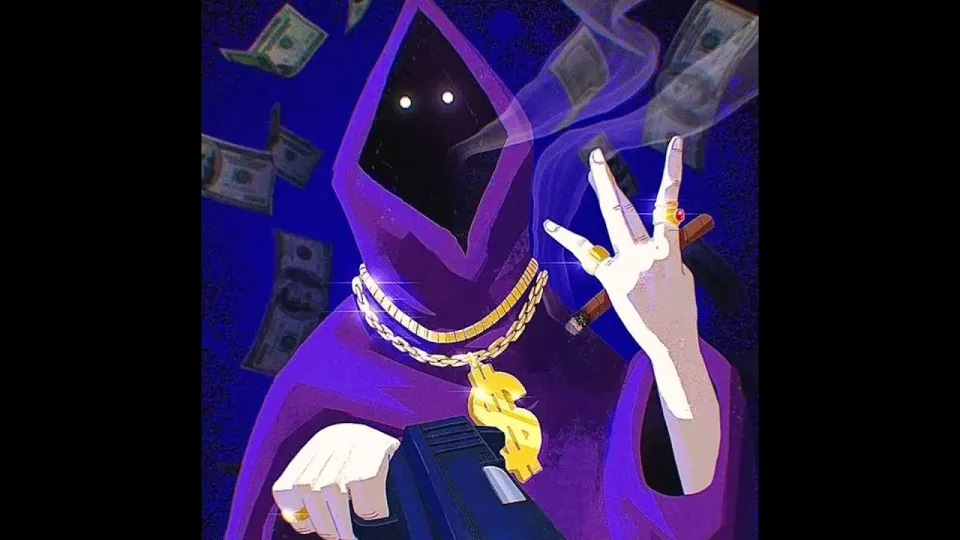
Video: [FREE] "FOUL PLAY" - Funky Rap Beat | Hard Freestyle Boom Bap Type Dark 90s Beat
Key takeaways
- "Foul Play" by Raias Beats runs at 95 BPM in the key of F minor.
- The beat is free for non-profit use; profit use such as Spotify or Apple Music requires a purchased lease.
- Exclusive licenses from the producer are tiered at $50, $100 and $150.
- The track targets Mobb Deep, Big L and Nas territory: sinister melody, heavy bass, hard drums.
- A free pack of 30 boom bap beats is offered alongside the single download.
A boom bap type beat is a sample-based hip hop instrumental built on chopped melodic loops, a heavy kick-snare backbone and a prominent bassline, usually sitting between 85 and 95 BPM. "Foul Play" by Raias Beats fits that template exactly: 95 BPM, F minor, a sinister loop, massive low end and drums mixed to knock, and you can grab the untagged file via the "Foul Play" beat download page. If you are hunting for a dark 90s-style instrumental for freestyles, punchline writing or street storytelling, the checklist below covers what actually matters.
What defines a boom bap type beat
Boom bap is defined less by tempo than by feel: the kick and snare land with space between them, the loop repeats with slight variation, and the low end carries as much weight as the drums. The name comes from the onomatopoeic description of the kick ("boom") and snare ("bap") pattern that dominated New York hip hop in the early-to-mid 90s. A type beat is an original instrumental written in that style rather than a licensed sample of an existing record, which is why producers can sell leases on it without clearing a major-label sample.
Three elements separate a convincing boom bap type beat from a generic loop:
- Drum swing and placement. The snare should sit slightly behind or ahead of the grid, never perfectly quantized to a stiff 16th grid.
- A melodic loop with an unresolved interval. Minor seconds, flattened fifths and chromatic movement create the tension that rappers respond to.
- Bass that moves independently. The bassline should answer the kick rather than double the melody note for note.
"Foul Play" checks all three: the description calls out a sneaky, mysterious groove with an unpredictable melodic edge, which is exactly the unresolved-interval effect described above.
Foul Play by Raias Beats: the specs
The concrete numbers on this release are simple and worth knowing before you write to it. The instrumental is set at 95 BPM in F minor, a tempo that sits in the sweet spot for double-time flows and triplet pockets alike. F minor is a common key for dark East Coast material because the tonic sits low enough for a rumbling bassline while the relative major (A-flat) leaves room for a bright, eerie loop on top.
The production credits list Raias as the sole producer. The stated influences are Mobb Deep, Big L and Nas, and the sound design follows that lineage: a cold, aggressive atmosphere, a haunting melody, and drums described as knocking incredibly hard. The intended use cases are hard freestyles, sharp punchlines, street storytelling and raw underground flows.
For comparison purposes, 95 BPM means one bar lasts roughly 2.5 seconds, so a standard 16-bar verse runs about 40 seconds and a full three-verse song structure lands near two and a half minutes before hooks.
How to write and record over a dark 90s instrumental
Writing to a boom bap type beat works best when you treat the drums as a partner rather than a metronome. Start by mapping the kick pattern on paper or in your head, then place your most important syllable of each bar on or just after the snare. This is the technique that made 90s East Coast records feel conversational rather than mechanical.
Practical steps for a session at 95 BPM:
- Count in double time. At 95 BPM, a 16th-note flow feels like a fast modern trap cadence, while straight 8ths feel relaxed and boom bap-native. Switch between the two for contrast between verses.
- Leave the first bar sparse. A dark loop with a heavy bass rewards space; let the beat breathe for four bars before filling every pocket.
- Record at least six takes of the same verse. Punchline-heavy writing benefits from comping the sharpest delivery of each line.
- Keep ad-libs low in the mix. On a track with this much low-end information, stacked ad-libs muddy the midrange quickly.
For freestylers, the sneaky, syncopated melody is an advantage: it gives you a rhythmic target that is not identical to the drum pattern, so improvised flows do not collapse into the same cadence every four bars.
Licensing: free versus lease versus exclusive
The terms on this beat are clearly stated and worth reading before you upload anything. "Foul Play" is free for non-profit use only. The moment a song built on it generates revenue — Spotify streams, Apple Music, YouTube monetization, paid performances of a released track — a lease is required.
Beyond the single lease, the producer lists exclusive-tier pricing at $50, $100 and $150, which is a low entry point compared with typical industry exclusive rates. A lease generally grants distribution rights while the producer retains ownership; an exclusive transfer removes the beat from the catalog so no other artist can use it.
Two practical rules apply regardless of tier:
- Keep the receipt and the license PDF in the same folder as your session files.
- Register the finished song with your distributor only after the license is confirmed, since distributors increasingly ask for beat license documentation during review.
Where this beat fits in a 2026 underground catalog
Dark boom bap has stayed viable because it is cheap to make, cheap to license and forgiving of raw vocal recordings. In 2026 the style lives mostly in the underground: Spotify playlists built around MF DOOM, Joey Bada$$, Griselda-adjacent artists and 90s revivalists, plus YouTube channels that curate free instrumentals for freestyle practice.
A 95 BPM F minor beat like this one slots into several lanes at once: a Big L-style punchline record, a Mobb Deep-style duo track with two short verses and a hook, or a Nas-style narrative piece where the loop stays static and the rapper carries the dynamics. The heavy bass also makes it a strong candidate for a single rather than an album cut, because low-end translates well on phone speakers and in car systems.
All links from the Raias Beats release
Everything referenced in the release, copied exactly:
- Untagged beat purchase and download: https://bsta.rs/Fup0cg
- Membership with unreleased beats: https://raiasbeats.com/memberships
- Free pack of 30 boom bap beats: https://bit.ly/30FreeBeatsPack
- Spotify: https://shorturl.at/wXwp2
- $50 exclusive beats: https://bsta.rs/Qi4Dqn
- $100 exclusive beats: https://bsta.rs/geFINi
- $150 exclusive beats: https://bsta.rs/y7nBue
- More beats like this one: https://youtu.be/OcukMeNH8f8
- Custom beat commissions: https://bsta.rs/GuH2t
- Mixing and mastering service: https://bsta.rs/xmFd5
- Instagram: https://www.instagram.com/raiasbeats
- Email: raiasbeats@gmail.com
Summary
A boom bap type beat succeeds when the drums swing, the loop creates tension and the bass moves on its own; "Foul Play" applies that formula at 95 BPM in F minor with a sinister melody and heavy low end aimed squarely at the Mobb Deep and Big L lineage. The licensing structure is transparent: free for non-profit work, a lease for anything monetized, and exclusives starting at $50. Raias Beats produced the track and provides the full breakdown of its sound and intended use, and the untagged version is available through the "Foul Play" download link if you want to start writing today.
Source: [FREE] "FOUL PLAY" - Funky Rap Beat | Hard Freestyle Boom Bap Type Dark 90s Beat · Markdown version
Questions & answers
Is a boom bap type beat free to use?
Only under the terms the producer sets. "Foul Play" is free for non-profit use, meaning practice tracks, mixtapes with no revenue and unreleased demos. Any release that earns money on Spotify, Apple Music or YouTube requires a purchased lease.
What tempo and key is "Foul Play" in?
The beat is set at 95 BPM in F minor. That tempo supports both relaxed 8th-note flows and fast double-time cadences, and F minor gives the bassline room to sit low under a dark melodic loop.
How much does an exclusive license cost from Raias Beats?
Exclusive beats are listed in tiers at $50, $100 and $150, with each tier linking to a separate catalog page. A lease is the cheaper option if you only need distribution rights for one song.
What kind of rap suits a dark 90s boom bap beat?
Punchline-driven freestyles, street storytelling and raw underground flows fit best. The stated influences are Mobb Deep, Big L and Nas, so sparse verses with strong internal rhyme and clear diction work better than dense, layered vocal stacks.